Unveiling the Benefits and Difficulties of Steel Casting in Industrial Manufacturing
Metal casting plays an important role in commercial production, supplying special benefits such as style adaptability and cost-efficiency. It likewise faces substantial difficulties, specifically worrying ecological effects and source management. The equilibrium in between taking full advantage of benefits and lessening downsides is important for lasting techniques. Discovering these dynamics discloses deeper insights right into the future of metal casting and its progressing function in production. What strategies will form this industry relocating onward?
Introduction of Metal Casting Processes
Steel spreading functions as a basic process in commercial manufacturing, changing liquified steel into numerous forms and elements. This strategy includes numerous techniques, including sand spreading, financial investment casting, and die spreading, each customized for specific applications. Sand casting includes producing a mold and mildew from sand, which can be reused, making it affordable for bigger manufacturing runs. Financial investment spreading, understood for its accuracy, makes use of wax patterns that are melted away to develop complex mold and mildews, perfect for intricate geometries. Pass away casting, on the other hand, employs high-pressure shot of molten steel right into steel mold and mildews, making certain harmony and fast manufacturing rates. Each technique has unique characteristics, affecting the choice based upon elements such as material kind, complexity, and manufacturing quantity. Understanding these procedures permits manufacturers and designers to enhance styles and improve effectiveness in the manufacturing of steel parts throughout different markets.
Benefits of Metal Casting in Production
While many making procedures exist, metal spreading stands apart as a result of its countless benefits. One substantial advantage is its ability to create intricate shapes and intricate layouts with high precision, which is frequently tough in various other techniques. Steel casting permits making use of a wide array of materials, including non-ferrous and ferrous steels, enabling suppliers to choose the finest material for details applications. Furthermore, this procedure can fit large manufacturing runs, making it cost-efficient for automation. The longevity of cast metal items contributes to their long life and performance in different commercial applications. Metal spreading minimizes material waste, as excess material can typically be recycled in subsequent sets. Finally, the process is versatile to numerous industrial markets, from vehicle to aerospace, guaranteeing a broad applicability of cast parts. These advantages setting metal spreading as a vital method in contemporary manufacturing.
Design Flexibility and Customization
Metal spreading offers significant style flexibility, enabling the production of complicated geometries that meet specific design requirements (Metal Foundry). This adaptability expands to product choice, making it possible for producers to customize structures to enhance performance attributes. As a result, steel spreading becomes an important procedure in producing personalized components for varied applications
Complex Geometries Achievable
Design versatility and modification in steel casting enable the development of intricate geometries that would certainly be impossible or difficult to attain with conventional production approaches. This capacity is especially advantageous in industries requiring detailed elements, such as aerospace and auto. The casting procedure can accommodate varied forms, consisting of interior features and undercuts, which are frequently difficult to produce with machining. In addition, the ability to generate big components in a single piece reduces the demand for setting up, enhancing structural honesty and performance. The complex designs made possible by steel casting not just fulfill particular practical requirements however also make it possible for aesthetic considerations, providing producers with the chance to innovate and differentiate their products in an affordable market.
Customized Product Selection
A varied series of materials can be picked for steel casting, enabling manufacturers to customize their products to certain efficiency needs and ecological conditions. This adaptability improves style abilities, making it possible for the production of components with customized residential properties. For instance, alloys can be crafted to enhance strength, corrosion resistance, or thermal stability, depending upon the intended application. By selecting products that meet exact requirements, makers can optimize functionality and long life of their products. Additionally, this tailored technique facilitates the adjustment of styles for various sectors, from automotive to aerospace, guaranteeing that each part carries out effectively under its distinct functional stress factors. Eventually, tailored material choice in steel spreading not only sustains advancement however additionally drives affordable advantage in industrial production.
Environmental Difficulties in Steel Casting
The steel casting sector faces significant environmental obstacles, particularly worrying emission control procedures, waste administration approaches, and source intake problems. These variables not only affect the environmental footprint of manufacturing but also influence regulatory conformity and public assumption. Resolving these obstacles is necessary for fostering sustainable techniques within the field.
Exhaust Control Steps
Steel spreading plays an important role in commercial production, it also postures considerable ecological obstacles due to damaging exhausts generated throughout the procedure. To reduce these concerns, different exhaust control measures have actually been carried out. Advanced filtration systems, such as baghouses and electrostatic precipitators, properly capture particulate issue before it is launched right into the ambience. In addition, the fostering of cleaner innovations, including induction melting and low-emission gas, lowers the general carbon impact related to casting operations. Regular surveillance and conformity with ecological guidelines further assure that emissions stay within appropriate limitations. By spending in these steps, sectors can lessen their environmental effect while maintaining functional efficiency and sticking to sustainability objectives.
Waste Administration Approaches
As metal spreading procedures generate considerable quantities of waste, effective waste monitoring strategies are important to attend to environmental challenges. These strategies include a number of techniques, consisting of waste minimization, reusing, and responsible disposal. Executing cleaner production techniques can considerably minimize waste generation at the source. Furthermore, recycling steel scrap and by-products can recover beneficial products, consequently minimizing the environmental footprint. Treatment and disposal of unsafe waste, such as shop sands and chemical deposits, call for strict protocols to avoid dirt and water contamination. Staff member training on waste administration methods fosters a culture of sustainability within the workplace. By taking on extensive waste monitoring strategies, steel casting sectors can reduce their environmental influence while improving functional performance.
Resource Usage Issues
Making Certain Manufacturing Uniformity and High Quality
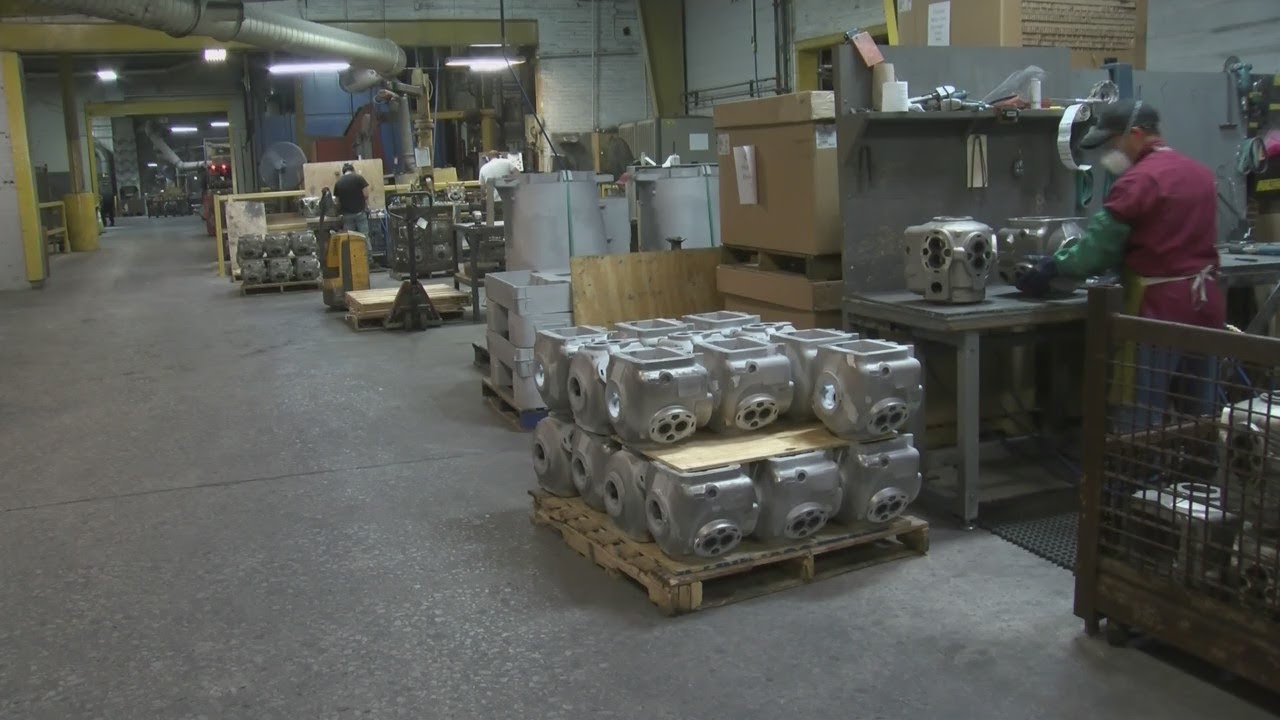
Assuring production consistency and top quality in steel spreading calls for careful attention to detail throughout the whole manufacturing procedure. Each stage, from mold and mildew layout to product option, plays an important role in achieving harmony in the end product. Accurate dimensions and accurate casting techniques assist lessen variants that might impact efficiency and reliability.
Quality control actions, including regular copyrightinations and testing, are vital to identify flaws early in the manufacturing cycle. Applying standard processes and making use of sophisticated modern technologies can improve uniformity and lower human mistake.
Moreover, worker training and competence are essential, as experienced drivers are much better outfitted to take care of possible difficulties. Constant tracking of production parameters, such as temperature level and cooling rates, warranties adherence to requirements.
Future Trends in Metal Casting Innovation
Arising developments in metal casting modern technology are positioned to transform the industry, improving performance and accuracy. Developments such as 3D printing for mold production enable fast prototyping and complicated geometries that traditional techniques can not attain. In addition, the integration of expert system and maker understanding enables predictive upkeep and enhanced procedure optimization, reducing waste and power consumption.
Sustainability patterns are additionally affecting the market, with an increasing emphasis on reusing products and utilizing green practices. Advanced alloys are being established to enhance product residential properties, dealing with certain industry requirements, such as lightweight parts for auto applications. Additionally, automation and robotics are streamlining operations, minimizing human error and enhancing manufacturing rates.
Jointly, these fads suggest a shift in the direction of a more technically advanced, efficient, and ecologically conscious metal casting industry, placing it for considerable growth in the coming years.
Frequently Asked Concerns
What Precaution Are Important During Metal Casting Procedures?
Crucial security steps during steel casting procedures consist of correct personal protective devices, sufficient ventilation, rigorous adherence to safety protocols, regular devices maintenance, and detailed training for workers to reduce hazards and ensure a secure work atmosphere.
Exactly How Does Steel Spreading Impact Workforce Skills and Training?
Steel casting substantially affects labor force abilities and training by necessitating specialized expertise in metallurgy, security protocols, and equipment procedure. Constant innovations in innovation require ongoing education, fostering a knowledgeable workforce skilled click here at adapting to sector adjustments.
What Are the Usual Flaws in Metal Spreading Products?
Usual defects in metal casting products consist of porosity, shrinkage, misruns, chilly shuts, and additions. These concerns develop from factors like incorrect temperature level control, poor mold style, and contamination, impacting product quality and efficiency.
Just How Does Steel Casting Contrast to Various Other Production Approaches?
Steel casting provides distinct benefits such as complicated forms and material adaptability, often exceeding techniques like machining in efficiency. Nevertheless, it may lack precision compared to some advanced methods, presenting details challenges in quality assurance and production speed.
What Products Are Typically Used in Metal Spreading?
Typical products made use of in metal spreading include light weight aluminum, steel, iron, and bronze. Each product supplies distinct properties ideal for various applications, affecting the spreading procedure and the end product's resilience, strength, and weight.
Steel casting plays a vital function in industrial production, supplying distinct benefits such as style flexibility and cost-efficiency. Metal spreading serves as a basic procedure in industrial manufacturing, changing molten steel right into different shapes and parts. Metal casting allows for the use of a broad variety of materials, consisting of non-ferrous and ferrous metals, making it possible for suppliers to choose the finest product for specific applications. Metal casting plays an important function in industrial manufacturing, it also presents substantial ecological obstacles due to dangerous exhausts produced during the process. Guaranteeing manufacturing consistency and top quality in steel casting calls for thorough interest to information throughout the entire production procedure.